Savoring the Savory Z's: A Culinary Journey from North Africa to the Middle East
Embarking on a culinary adventure through the alphabet reveals a fascinating array of tastes, textures, and traditions. When it comes to foods that start with Z, the journey takes us from the earthy, complex flavors of North Africa and the Levant to the sweet, ethereal delights of Italy. These "Z-foods" are more than just dictionary entries; they are vibrant expressions of culture, history, and the sheer joy of eating. Let's delve into some of the most captivating Z-starters that promise to tantalize your taste buds and expand your culinary horizons.
Zaalouk: Morocco's Smoky Eggplant Gem
Our first stop brings us to the sun-drenched kitchens of Morocco, where Zaalouk (sometimes spelled Zalouk) reigns supreme. This traditional Moroccan salad or dip is a testament to the country's rich culinary heritage, masterfully blending humble ingredients into a dish of profound flavor. At its heart are cooked eggplants and ripe tomatoes, but the magic happens in the preparation.
Unlike many other eggplant preparations, Zaalouk often begins with grilling or roasting the eggplant, which imparts a wonderful, subtle smoky undertone. This smoky eggplant then melds with stewed tomatoes, garlic, and a medley of Moroccan spices such as cumin, paprika, and a hint of cayenne for warmth. The mixture is typically mashed, either coarsely for a chunky texture or more finely for a smoother dip, allowing for personalized preference. While it shares a superficial resemblance to Middle Eastern baba ganoush or muttabal, Zaalouk boasts a distinct character, often being richer and more robust. It's incredibly versatile, perfect served warm or at room temperature with crusty bread for dipping, as a side dish to tagines, or even as a flavorful spread in sandwiches.
- Chef's Tip: For an extra depth of flavor, roast the tomatoes alongside the eggplant before combining. A dash of fresh cilantro at the end brightens the dish beautifully.
Zaatar: The Quintessential Levantine Spice Blend and Its Applications
Moving east to the Levant, we encounter Zaatar, not just a spice, but a cultural phenomenon. This versatile herb and spice blend is a cornerstone of Levantine cuisine, renowned for its ability to elevate simple ingredients into extraordinary dishes. The classic Zaatar blend typically comprises dried thyme, oregano, toasted sesame seeds, tangy sumac, and a touch of salt. However, regional variations exist, sometimes including marjoram or other local herbs.
When toasted, Zaatar releases an intoxicating aroma and flavor profile that is truly unique: earthy and herbaceous from the thyme and oregano, nutty from the sesame, and bright, lemony, and slightly astringent from the sumac. Its rich and tangy notes make it an incredibly adaptable seasoning. From a simple sprinkle over labneh (strained yogurt) with olive oil to a robust rub for meats, Zaatar is a culinary chameleon.
Discover more about its incredible versatility and unlock new dish ideas by reading our dedicated article: Zaatar: Versatile Spice Blend & Levantine Dish Ideas.
Zaatar Bread (Mana'eesh): A Beloved Breakfast Staple
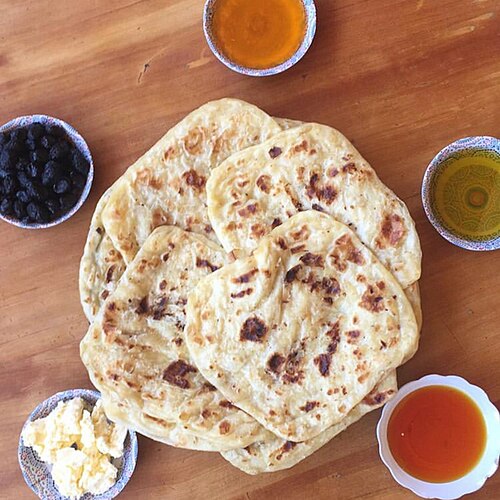
One of the most cherished uses of Zaatar is found in Zaatar Bread, known as Mana'eesh (or manakish) in the Middle East. This soft, chewy flatbread is a breakfast and lunch staple across the region. A simple, homemade dough, often enriched with olive oil, is quickly baked after being generously topped with a mixture of Zaatar spice blend, extra sesame seeds, and often a little more olive oil to create a paste-like topping. The result is a fluffy flatbread with a gloriously spiced, soft crust that offers a delightful crunch with every bite. It’s simple to make, yet incredibly satisfying, often served with fresh mint, tomatoes, cucumbers, and a hot cup of tea.
Zaatar Eggs: An Earthy Breakfast Twist
For those looking to add a quick, flavorful kick to their morning routine, Zaatar Eggs are a revelation. Imagine your favorite fried eggs, cooked to perfection in shimmering olive oil or butter, then generously sprinkled with a fragrant Zaatar blend. The earthy, herby notes of the Zaatar beautifully complement the rich egg yolks, creating a breakfast experience that is both simple and deeply satisfying. Serve them with fresh chopped cherry tomatoes, a dollop of creamy Greek-style yogurt, and warm pita bread for a complete and wholesome meal. If you're a fan of pesto eggs, these Zaatar eggs are an absolute must-try – they offer a similar flavor intensity but with a distinct Middle Eastern flair.
Zaatar Roasted Chicken: Easy Weeknight Flavor
Zaatar's magical touch extends beyond breakfast and dips, making it an ideal ingredient for savory main courses. Creating a delicious weeknight dinner is remarkably simple with Zaatar Roasted Chicken. Combine Zaatar with olive oil, fresh lemon juice, and minced garlic to create a vibrant marinade. Toss chicken breasts or thighs in this mixture, allowing the flavors to meld, then roast or grill until golden and juicy. The Zaatar imbues the chicken with an irresistible aroma and taste. This flavorful chicken pairs wonderfully with fluffy couscous, fragrant rice, or a refreshing Middle Eastern salad. For a truly complete meal, consider oven-roasting potatoes with the same Zaatar-olive oil mixture alongside the chicken for a harmonious flavor profile.
Sweet Endings: The Decadence of Italian Zabaglione
Shifting gears from savory delights, our exploration of foods that start with Z takes us to the realm of classic Italian desserts with the elegant and ethereal Zabaglione (also known as Zabaione). This popular Italian custard is a testament to the beauty of simplicity, crafted from just three core ingredients: egg yolks, sugar, and sweet wine.
The preparation of Zabaglione is a delicate dance, typically performed over a bain-marie (simmering water bath). Egg yolks and sugar are vigorously whisked together until light and fluffy, then a sweet wine – traditionally Marsala, but sometimes Moscato or even Prosecco – is gradually incorporated. The mixture continues to be whisked over the gentle heat, gradually thickening and incorporating air until it transforms into a light, airy, and frothy custard. The key is constant whisking and careful temperature control; too much heat can cause the yolks to scramble or the custard to become grainy. Some recipes introduce a splash of spirits like cognac or rum for an added layer of complexity and warmth.
Zabaglione is incredibly versatile in its serving. It can be enjoyed warm, showcasing its comforting, silken texture, or chilled for a refreshing treat. It's often spooned over fresh berries (strawberries and raspberries are particularly divine), sliced cake, biscotti, or even a scoop of vanilla ice cream. Its light yet decadent character makes it a perfect ending to any meal, often gracing celebratory tables across Italy.
- Expert Tip: For the best results, use fresh, high-quality egg yolks and a good sweet wine. The flavor of the wine will significantly impact the final taste of your Zabaglione.
Beyond the Culinary: Z-Words and Their Wider World of Flavors
While Zaalouk, Zaatar, and Zabaglione stand out as prime examples of delicious foods that start with Z, the "Z" section of the food dictionary is surprisingly diverse. From common garden vegetables to lesser-known delicacies, there's always something new to discover.
Consider the humble Zucchini, a versatile squash that features prominently in cuisines worldwide. In Turkish cuisine, for instance, zucchini is transformed into delectable Dolma, where hollowed-out zucchini are stuffed with a savory mixture of rice, ground beef, herbs, and spices, then gently cooked in a flavorful broth. Zucchini can be grilled, fried, baked, or spiralized, making it a healthy and adaptable ingredient for everything from side dishes to main courses.
The Czech Republic, known for its rich culinary traditions, also contributes to our "Z" list with Zabijacka. While not a single dish, Zabijacka refers to the traditional pig slaughter feast and the various meat products prepared during this event, often including sausages, blood puddings, and other hearty fare, showcasing a different facet of food culture tied to the letter Z.
Exploring foods that start with Z truly highlights the global tapestry of gastronomy, offering everything from earthy dips and aromatic spice blends to exquisite desserts and staple vegetables. To delve deeper into an even broader selection of Z-starting foods, including fruits, vegetables, and unique dishes you might not have encountered, check out our comprehensive guide: Explore 40+ Foods That Start With Z: Beyond Zucchini.
Conclusion: A Zest for Z-Foods
From the robust, smoky notes of Moroccan Zaalouk to the aromatic versatility of Levantine Zaatar, and the sweet, airy perfection of Italian Zabaglione, the world of foods that start with Z is a testament to global culinary creativity. These dishes offer a rich tapestry of flavors, textures, and cultural significance, proving that even the less common letters of the alphabet hold profound culinary treasures. Whether you're a seasoned foodie or just beginning your gastronomic explorations, these Z-delights offer unique experiences that are well worth savoring. So, dare to be adventurous and add these exciting Z-foods to your next meal plan – your palate will thank you!
