Zaatar: A Culinary Jewel Among Foods That Start With Z
When embarking on a culinary journey through the alphabet, the letter 'Z' often brings to mind a select few, but impactful, ingredients. While zucchini might be a common answer, the world of foods that start with z offers far more exciting discoveries, not least of which is Zaatar. This ancient and aromatic spice blend is a cornerstone of Levantine cuisine, revered for its versatility, unique flavor profile, and ability to transform simple ingredients into extraordinary dishes. But Zaatar is just the beginning of the delicious journey that 'Z' foods present, ranging from savory dips like Zaalouk to sweet Italian custards such as Zabaglione.
Zaatar, a vibrant green mix, typically combines dried thyme, oregano, sesame seeds, sumac, and salt, sometimes with other regional additions like marjoram or cumin. This seemingly humble blend delivers a complex symphony of flavors: the earthy, herbaceous notes of thyme and oregano, the nutty crunch of sesame, and the distinct tangy, lemony zest of sumac. When lightly toasted, these elements deepen, releasing their full aromatic potential and adding an irresistible warmth to any dish. It's this richness and tanginess that makes Zaatar an indispensable ingredient for countless culinary creations, providing a simple yet profound enhancement to everyday meals.
The Heart of Levantine Cuisine: Exploring Zaatar's Core
Zaatar is more than just a seasoning; it's a cultural emblem, deeply ingrained in the culinary traditions of the Middle East, particularly across the Levant region. Its name is derived from the Arabic word for thyme, which forms the aromatic backbone of the blend. While the exact proportions and additional spices can vary from family to family or region to region, the core components remain consistent, offering a flavor profile that is both comforting and exhilarating.
- Thyme & Oregano: These dried herbs contribute the primary earthy, slightly minty, and peppery notes that define Zaatar. They are also rich in antioxidants, offering more than just flavor.
- Sumac: The dried and ground berries of the sumac plant impart the signature tart, almost lemony flavor that balances the other ingredients. Its vibrant red hue also adds visual appeal.
- Sesame Seeds: Providing a delightful crunch and a nutty undertone, sesame seeds add texture and a subtle richness that truly comes alive when toasted. They are also a good source of healthy fats.
- Salt: Essential for enhancing all the other flavors and rounding out the blend.
The beauty of Zaatar lies not only in its taste but also in its incredible adaptability. From simple sprinklings to elaborate marinades, it has found its way into countless preparations, proving that a single spice blend can inspire an entire repertoire of dishes.
Culinary Creations with Zaatar: Versatile Dishes and Ideas
Zaatar's versatility shines brightest in the myriad of dishes it inspires. It's a key ingredient in many traditional Levantine meals, transforming ordinary fare into something truly special. Here are some celebrated applications of this remarkable spice blend:
Zaatar Bread (Mana'eesh): The Iconic Flatbread
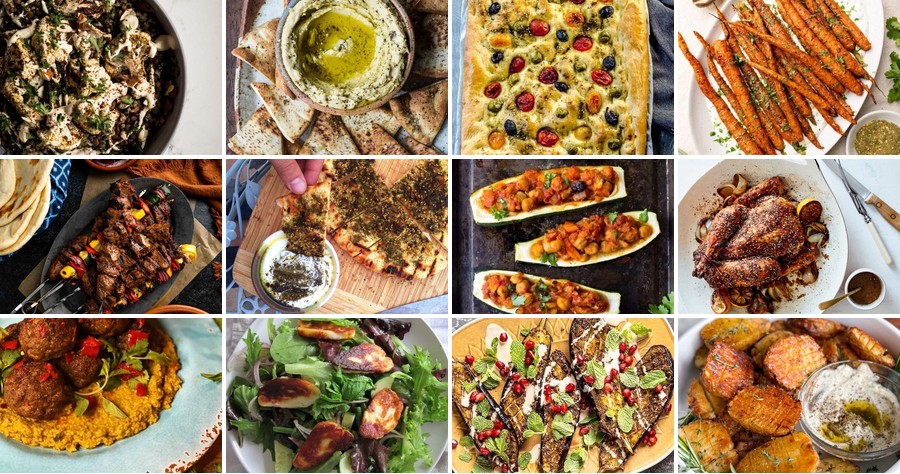
No discussion of Zaatar is complete without mentioning Zaatar Bread, affectionately known as mana'eesh throughout the Middle East. This soft, chewy flatbread topped with a generous mixture of Zaatar and olive oil is a beloved breakfast or lunch staple. The homemade dough, often leavened to achieve a fluffy texture, bakes quickly to create a crisp yet tender crust that encases the fragrant, spiced Zaatar topping. Imagine tearing into a warm piece of mana'eesh, its rich aroma filling the air, perfectly paired with fresh vegetables, olives, and labneh (strained yogurt). It's simple, satisfying, and utterly delicious.
Elevating Everyday Eggs with Zaatar
For a quick and flavorful breakfast or brunch, Zaatar can elevate even the most basic egg dishes. Simply frying eggs in olive oil or butter and then sprinkling them generously with Zaatar before serving creates a dish that is both earthy and herby. The tang of the sumac in the Zaatar cuts through the richness of the egg, creating a harmonious balance. Serve your Zaatar eggs with chopped cherry tomatoes, a dollop of creamy Greek-style yogurt, and warm pita bread for a complete and satisfying meal. If you're a fan of pesto eggs, these Zaatar-infused alternatives offer a fascinating and equally flavorful twist.
Zaatar Roasted Chicken: A Flavorful Main Course
Zaatar is a game-changer for weeknight dinners, especially when it comes to poultry. Creating a succulent Zaatar Roasted Chicken is remarkably simple. Combine Zaatar with olive oil, fresh lemon juice, and minced garlic to create a vibrant marinade. Toss chicken breasts, thighs, or even a whole chicken in this mixture, allowing the flavors to meld before roasting or grilling. The result is incredibly juicy chicken bursting with bright, herbaceous notes. This dish pairs beautifully with a variety of sides, such as fluffy couscous, fragrant rice pilaf, or refreshing Middle Eastern salads like tabbouleh. For an extra layer of flavor, try roasting potatoes or other root vegetables alongside the chicken, coated in the same Zaatar-infused olive oil.
Unlock Zaatar's Full Potential: Tips and Versatile Uses
Beyond these classic dishes, Zaatar's potential extends far and wide in the kitchen. Here are some creative ways to incorporate this magnificent blend into your cooking:
- Dips and Spreads: Stir Zaatar into hummus, labneh, or even a simple olive oil dip for bread. It adds depth and a zesty kick.
- Roasted Vegetables: Sprinkle Zaatar over your favorite vegetables (like zucchini, another popular item in Moroccan Zaalouk to Italian Zabaglione: Z-Food Delights) before roasting. It complements their natural sweetness and adds an aromatic complexity.
- Salad Dressings: Whisk Zaatar into your vinaigrettes for a unique Levantine twist on everyday salads.
- Marinades: Use it for fish, lamb, or even grilled halloumi cheese to infuse them with authentic Middle Eastern flavors.
- Snacks: Toss popcorn with a little olive oil and Zaatar for an unexpectedly gourmet snack.
- Pizza Topping: Sprinkle it over homemade or store-bought pizza before baking for an instant flavor upgrade.
Pro Tip: To truly unlock Zaatar's flavor, lightly toast it in a dry pan for a minute or two before mixing it with olive oil or sprinkling it on dishes. This enhances the nutty flavor of the sesame seeds and intensifies the herbs.
A World of "Z" Foods: Discovering More Culinary Delights
While Zaatar stands out as a jewel among foods that start with z, the letter 'Z' introduces us to a diverse array of other intriguing culinary experiences. From savory Moroccan stews to delicate Italian desserts, the 'Z' category is rich with flavor and history.
Consider Zaalouk, a traditional Moroccan salad or dip that perfectly blends cooked eggplants and tomatoes. Similar in texture to baba ganoush but with its own unique Moroccan spice profile, Zaalouk is seasoned with garlic and various spices, often exhibiting a subtle smoky touch from grilled eggplants. It’s not only incredibly flavorful but also surprisingly easy to prepare, making it a staple in North African cuisine.
Then there's Zabaglione, an exquisite Italian dessert renowned for its light, airy, and frothy texture. Made with egg yolks, sugar, and sweet wine (like Marsala), and often enhanced with a dash of spirits such as cognac, Zabaglione is meticulously whipped over simmering water until it thickens into a delicate custard. It can be served warm or chilled, often spooned over fresh berries, cake, or even ice cream, offering a sophisticated end to any meal.
And of course, we cannot forget the versatile Zucchini, a popular vegetable found in cuisines worldwide. From being hollowed out and stuffed in Turkish Dolma to being roasted alongside Zaatar-marinated chicken, zucchini proves that humble ingredients can be transformed into delicious dishes. These examples merely scratch the surface of the delightful Moroccan Zaalouk to Italian Zabaglione: Z-Food Delights that await discovery.
In conclusion, Zaatar is a testament to the power of simple ingredients combined to create profound flavors. Its versatility, rich history, and the way it effortlessly elevates countless dishes make it an essential spice blend for any adventurous cook. From Zaatar bread to roasted chicken, and from Zaalouk to Zabaglione, the culinary landscape of foods that start with z is far richer and more exciting than many might initially imagine. So next time you're exploring new flavors, remember to delve into the vibrant world of Zaatar and beyond – your taste buds will thank you.
